The week after a ceramic coating goes on is when most owners make their first mistake, and it is usually a well-intentioned one: they take the freshly coated car through the automatic wash to keep it perfect. A ceramic coating does not eliminate car care. It changes what correct car care looks like, and the drivers who learn the new routine get five-plus years from a coating that others wear out in two.
The good news is that the routine is easier than what you were doing before. Here is the full picture, from the first two weeks through your fourth Ontario winter.
The First Two Weeks: Let It Cure
A coating bonds on application but continues curing for one to two weeks afterward, depending on the product and conditions. During that window:
- No washing of any kind for the first 7 days minimum. Follow your installer’s specific guidance, since cure times vary by product.
- Keep it out of the rain where possible for the first few days, and if the car does get wet, dry it gently with a clean microfibre towel rather than letting water spot on the curing surface.
- Remove bird droppings and sap immediately with a wet microfibre towel. The coating is at its most vulnerable before full cure, and biological contamination is acidic.
Two weeks of patience protects a multi-year investment. It is the cheapest maintenance you will ever do.
The Routine Wash: What Changes
Washing a coated car is faster and gentler than washing bare paint, because contamination does not bond to the surface the way it used to. The rules are few and specific.
|
Do |
Avoid |
|
pH-neutral car shampoo |
Dish soap, degreasers, high-alkaline traffic film removers |
|
Two-bucket hand wash with a clean mitt |
Brush-style automatic car washes |
|
Touchless washes when hand washing is impractical |
Brushes, sponges, and dirty towels of any kind |
|
Microfibre drying towel or blower |
Air drying (invites water spots, especially with hard water) |
|
Wash in shade on cool panels |
Washing in direct summer sun |
The single most damaging habit is the brush-style automatic wash. Those brushes carry the grit of every vehicle that came before yours and drag it across the coating at speed. One visit will not destroy a coating. A weekly habit of them will grind through it years ahead of schedule.
Frequency matters less than method. Every two to three weeks is a sensible rhythm for a daily driver, and the wash itself will take noticeably less time than it did on uncoated paint. That is the coating doing its job.
Winter Maintenance: Where the Coating Earns Its Keep
Woodbridge winters are the reason to coat a car and the season most likely to shorten a coating’s life if ignored. Salt, brine, and traction sand accumulate fast, and while a coated surface resists them far better than bare clear coat, resistance is not a licence to let a salt crust sit until March.
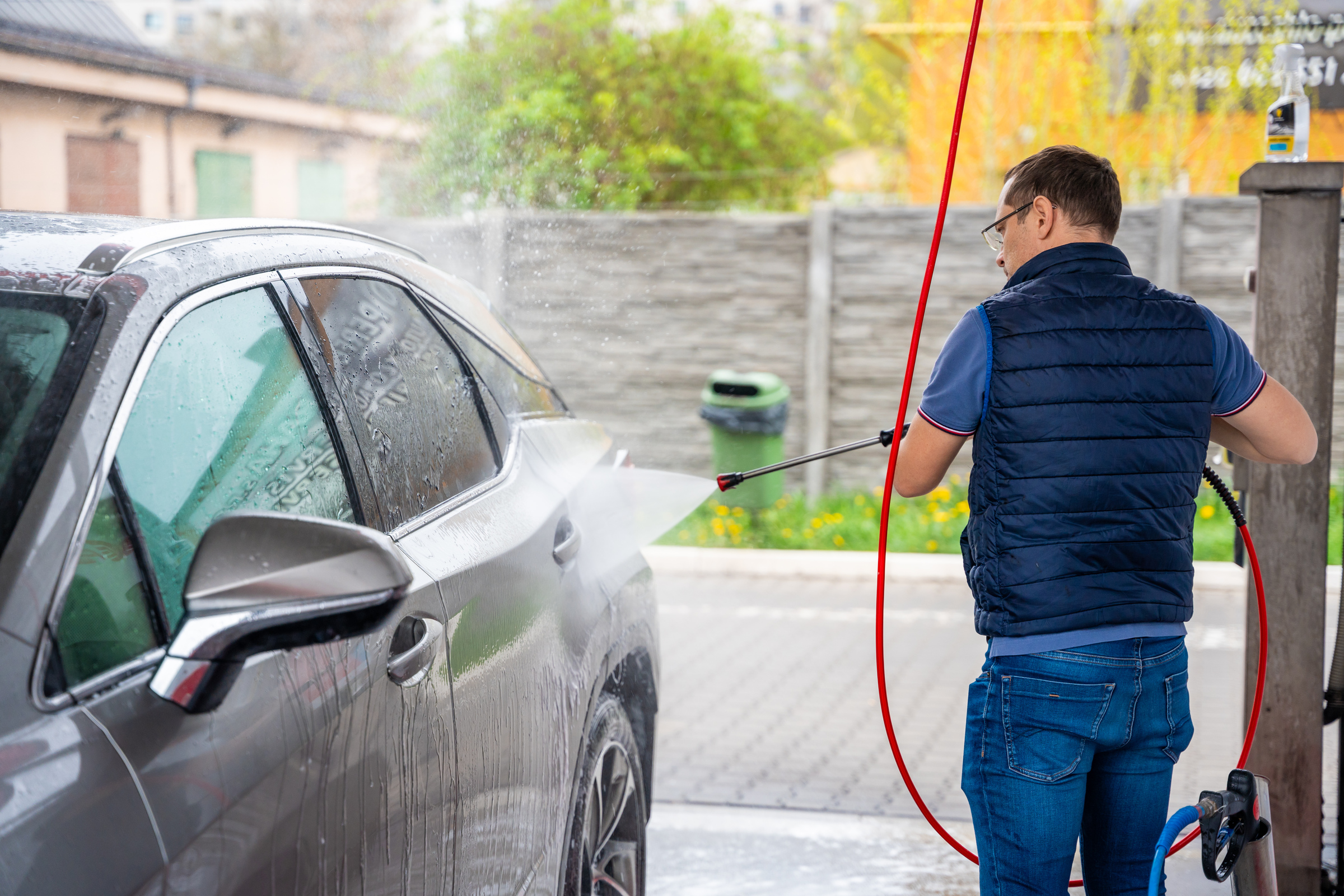
- Wash every two to three weeks through winter, touchless if hand washing is impractical in the cold. The coating makes salt release dramatically easier, so even a quick touchless visit clears most of it.
- Pay attention to lower panels, wheel arches, and rocker areas, where salt spray concentrates.
- Do not use aggressive salt-removal chemicals on the paint surface. The coating plus water pressure handles what winter deposits.
A coated car that gets washed through winter comes out in April looking like it skipped the season. That spring reveal is where coating owners become the biggest coating evangelists.
Once a Year: The Inspection Visit
An annual professional visit does three things at once: a chemical decontamination that removes bonded iron fallout the coating has been holding on its surface, an honest assessment of the coating’s actual condition, and a maintenance topcoat that refreshes the sacrificial top layer. That yearly hour is the difference between a coating that fades out at year three and one still performing at year five.
What Not to Put on a Coating
- Wax: Harmless but pointless. It adds nothing to the coating’s protection and can mute its hydrophobic behaviour.
- Abrasive polishes or compounds: These remove coating. They are how coatings are taken off, not maintained.
- Random spray sealants: Some interfere with the coating’s surface behaviour. If you want a booster product, use the one your installer recommends for your specific coating.
Frequently Asked Questions
Can I take a ceramic coated car through a car wash? Touchless washes, yes. Brush-style automatic washes are the fastest way to wear out a coating and should be avoided entirely.
How often should I wash a ceramic coated car? Every two to three weeks is a good rhythm year-round, including winter. The wash is faster than on uncoated paint, and letting contamination sit for months works against the coating.
Do I need to do anything special after it rains? No. If hard-water spotting appears after evaporation, a quick rinse and microfibre dry resolves it. Persistent spotting is worth mentioning at your annual inspection.
Does a ceramic coating need to be topped up? An annual maintenance coat applied during inspection refreshes the top layer and extends overall life. It is optional in theory and strongly worthwhile in practice.
The Detailing World Approach
Every coating client at Detailing World in Woodbridge leaves with a maintenance walkthrough for their specific product, cure times, wash chemistry, and winter guidance included. Our annual inspection visits handle decontamination and top-up coats, and if you bought your coating elsewhere, we will assess and maintain it just the same.
Ready to Protect Your Vehicle?
Book your annual coating inspection at Detailing World in Woodbridge, or ask us about maintenance plans when you book your coating.