Ceramic coating is completely safe for your vehicle’s paint. That is the short answer, and it has been true since professional coatings entered the market. The longer answer is more interesting, because the most dangerous thing about ceramic coating has never been the chemistry. It is the marketing built around it.
Overpromising sells coatings and then manufactures disappointed owners who conclude the product failed. The product did not fail. The pitch did. Here is what a coating actually does to your paint, what it genuinely cannot do, and the myths worth retiring.
First, the Safety Question Itself
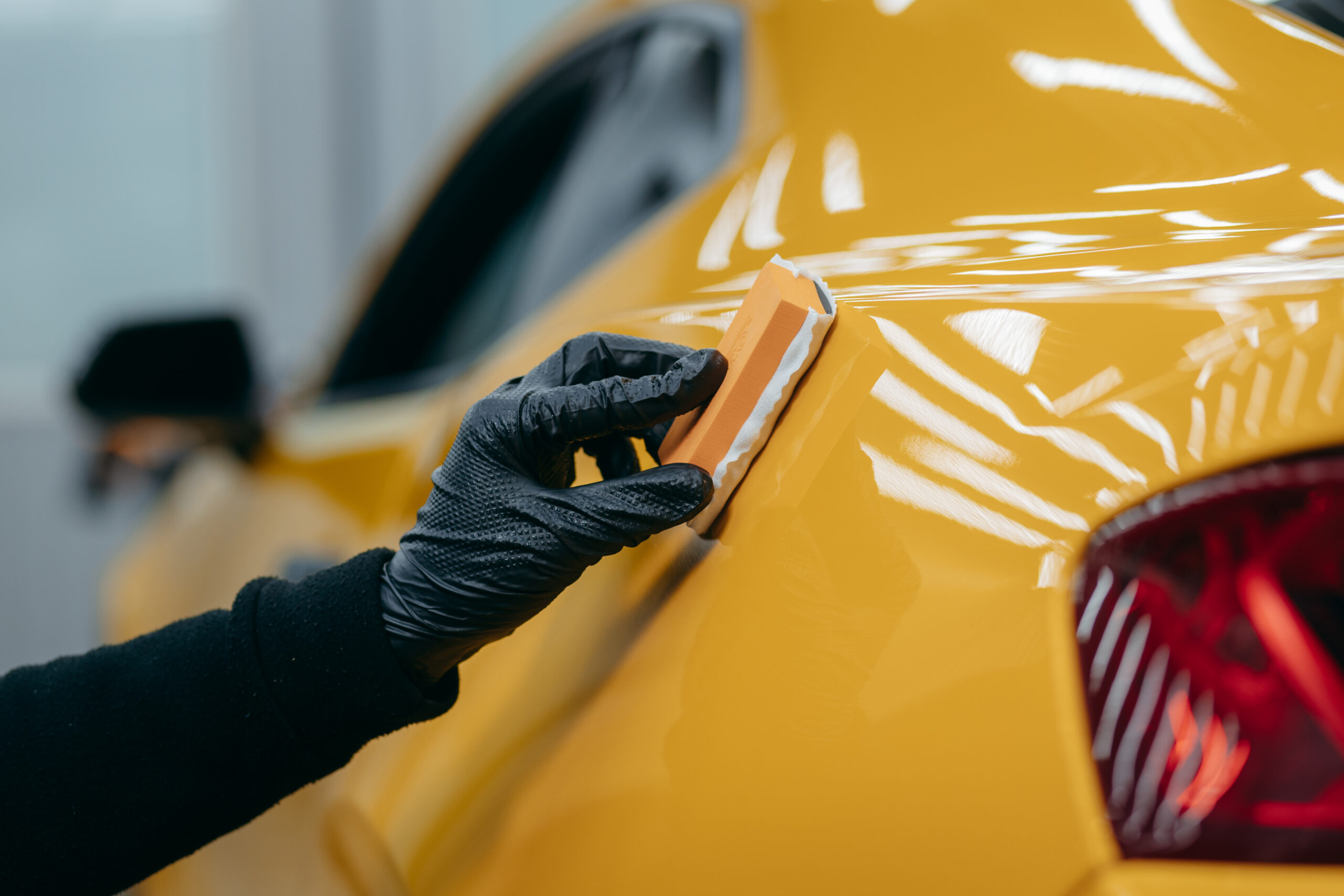
A professional ceramic coating is a liquid polymer, typically silicon dioxide based, that bonds chemically to the clear coat and cures into a thin, hard, transparent layer. It does not react with, soften, or alter the paint beneath it. It adds a sacrificial layer on top of the factory finish, and when the coating eventually wears, it wears instead of your clear coat. That is the entire safety story: the coating exists to take the damage your paint would otherwise absorb.
The only way a coating harms a finish is indirectly, through bad preparation. Coating over swirl marks, oxidation, or embedded contamination seals those defects under a hard, long-lasting layer. Removing them afterward means polishing through the coating first. The product is safe. Careless application of it is not.
Myth 1: Ceramic Coating Makes Your Car Scratch-Proof
It does not, and no honest installer will tell you otherwise. A 9H-rated coating adds measurable surface hardness that deflects the fine swirl marks and light abrasion of routine washing. It will not stop a key, a shopping cart, a branch, or a stone at highway speed. Hardness against micro-marring and armour against impact are different properties, and only paint protection film provides the second one.
The reasonable expectation: a coated car accumulates dramatically fewer wash-induced swirls over years of ownership. Not zero scratches. Fewer, finer, and slower.
Myth 2: 9H Means Diamond-Hard
The 9H figure comes from the pencil hardness scale used in coatings testing, where 9H is the hardest standard pencil grade. It does not come from the Mohs mineral scale where diamond sits at 10. A 9H coating is genuinely harder than clear coat, and that difference is exactly why it resists swirling. It is not armour plating, and marketing that implies otherwise is where most coating disappointment begins.
Myth 3: Ceramic Coatings Self-Heal
Coatings do not self-heal, full stop. Self-healing is a property of premium paint protection film, whose topcoat re-flows over light scratches with heat. The two products are routinely confused in marketing, sometimes deliberately. A scratch that gets through a ceramic coating stays there until the panel is polished. If self-healing is the feature you want, the product you are shopping for is PPF.
Myth 4: Coated Cars Never Need Washing
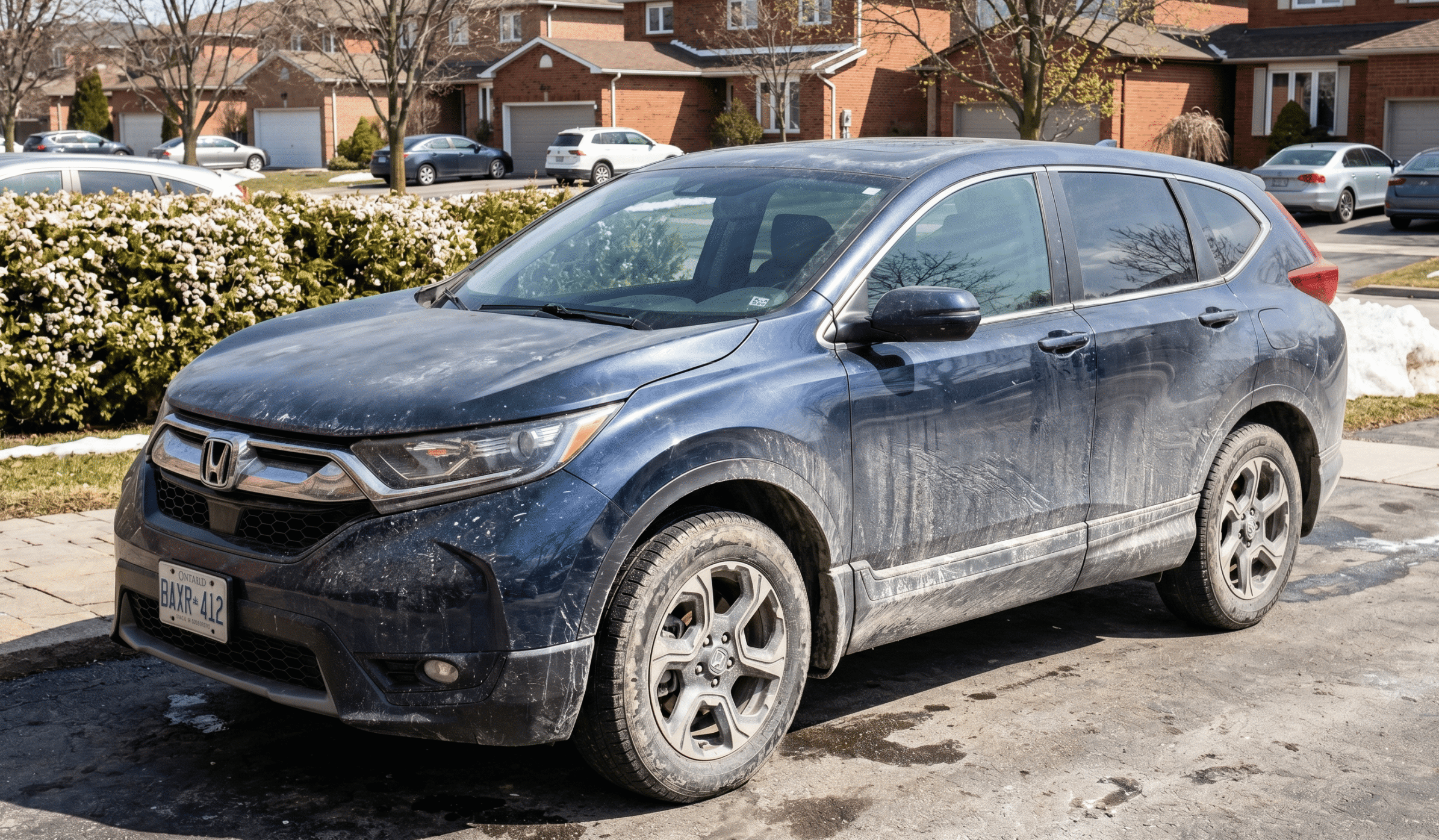
A coated car stays cleaner longer and washes far more easily, because contamination struggles to bond to the coating’s surface. It still gets dirty, still collects salt through an Ontario winter, and still needs regular washing to perform. What changes is the effort: grime releases with less contact, which itself means fewer wash-induced swirls over time.
Myth 5: Coating Damages or Suffocates the Paint
Paint is not a living surface and does not need to breathe. The coating bonds to the clear coat and protects it from the things that actually degrade automotive finishes: UV exposure, acid rain, iron fallout, and chemical contamination. Vehicles that spend years under a coating consistently show better-preserved paint than uncoated equivalents of the same age.
Myth 6: All Coatings Are Basically the Same
Product tiers differ meaningfully in hardness, thickness, chemical resistance, and lifespan, and the gap between a spray-on consumer product and a professional multi-layer coating is measured in years. More importantly, identical products deliver different results depending on preparation. The surface work before the coating is where quality is decided.
What to Actually Expect From a Coating
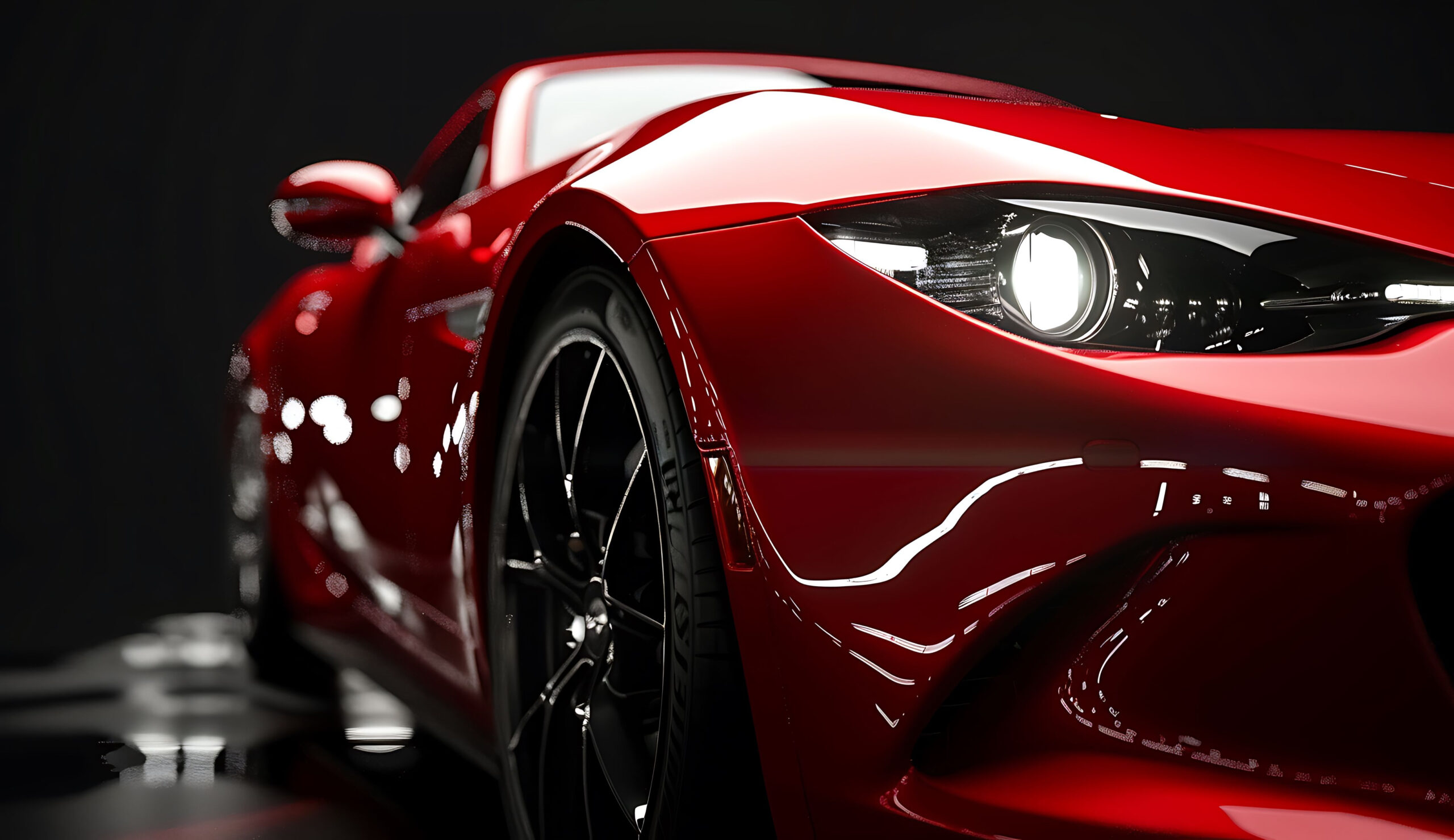
A fair summary for a GTA driver: a professionally applied ceramic coating keeps your paint glossier, dramatically easier to clean, resistant to salt and chemical etching, and protected from UV fade for three to five years. It reduces swirling from washing to a fraction of what bare paint accumulates. It does not stop rocks, does not heal itself, and does not eliminate car care. Anyone promising the second list is selling the first list dishonestly.
Frequently Asked Questions
Is ceramic coating safe for new car paint? Yes, and new vehicles are ideal candidates, since the paint needs minimal correction before coating. Protecting a factory finish from day one preserves it at its best.
Does ceramic coating prevent scratches? It reduces fine swirl marks and light wash-induced abrasion measurably. It does not prevent deeper scratches from impact or vandalism. For physical impact protection, pair it with paint protection film on high-risk panels.
Can ceramic coating be removed safely? Yes. A coating is removed by machine polishing, which takes the coating off the clear coat without harming healthy paint underneath. It is a professional job, not a chemical strip.
Is ceramic coating toxic or harmful to apply? Application involves solvents that require ventilation and proper handling, which is one reason professional application in a controlled environment is the standard. Once cured on the vehicle, the coating is inert.
The Detailing World Approach
At Detailing World in Woodbridge, we would rather set accurate expectations and keep a client for ten years than oversell a coating once. Every coating consultation covers what the product will and will not do for your specific vehicle, and paint correction happens before any coating goes on, because sealing defects under a coating is the one genuinely unsafe thing you can do with this product.
Ready to Protect Your Vehicle?
Book a coating consultation at Detailing World in Woodbridge and get the honest version of what ceramic coating will do for your car.