Paint protection film has been installed on vehicles for decades, and the myths about it have survived nearly as long. Most of them trace back to a real event: an economy film from fifteen years ago, a rushed installation, a botched removal on a repainted panel. The fear of PPF damaging paint is almost always a fear of bad installers and bad film, attributed to the product itself.
Here are the seven we hear most often at our Woodbridge car detailing studio, and what actually happens on the paint.
Myth 1: PPF Damages the Paint Underneath
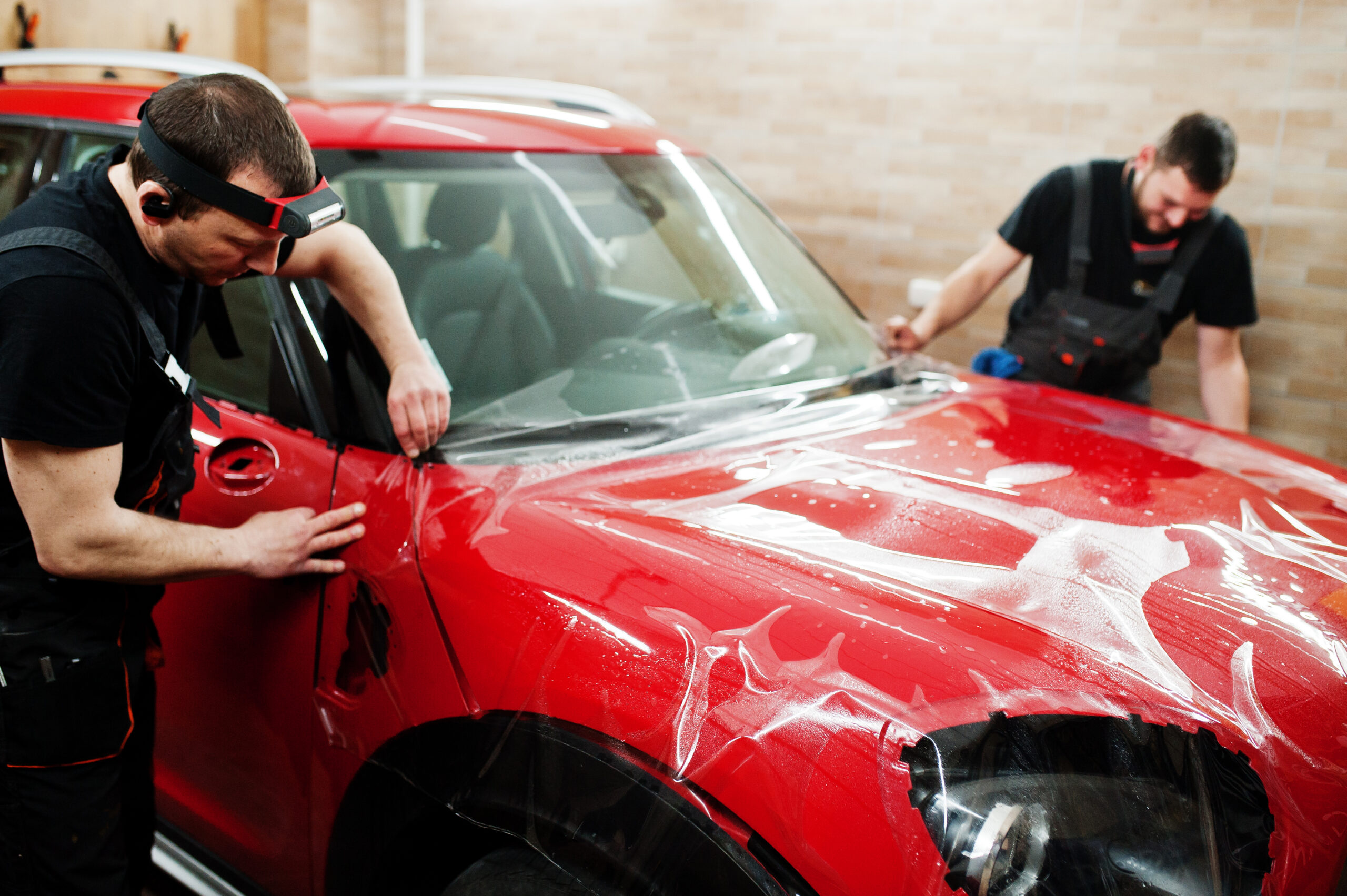
Properly installed film on healthy factory paint does the opposite. The adhesive on quality PPF is engineered to bond to clear coat without altering it, and when the film eventually comes off, the paint beneath it is typically in better condition than any uncovered panel on the vehicle, because it spent years shielded from UV, salt, and debris.
The caveat that keeps this myth alive: film applied over resprayed panels, immature paint, or existing damage can complicate removal. That is a surface preparation failure, not a film problem, and it is why professional installers inspect the paint before quoting.
Myth 2: PPF Removal Rips Off Clear Coat
Quality film removed with correct technique, controlled heat, and steady peel angle, releases cleanly from factory paint. The removal horror stories almost always involve one of three things: economy film with aggressive adhesive, film left on far beyond its service life, or aftermarket paint that was never cured properly before installation.
Removal is a professional job. It is not difficult, but it is unforgiving of impatience.
Myth 3: All PPF Yellows
Early-generation films yellowed, and that reputation stuck. Modern premium films use UV-stable topcoats and adhesives specifically engineered against it, and reputable manufacturers back that with ten-year warranties against yellowing, cracking, and delamination. Economy films still yellow. This is one of the clearest quality dividers in the industry, and it is the first question worth asking any installer: which film, and what does its warranty cover?
Myth 4: PPF Makes the Car Impossible to Wash
A filmed vehicle washes like any other vehicle, with two small adjustments: avoid pressure-washing directly at film edges, and skip abrasive compounds on the film surface. Modern topcoats are hydrophobic, so filmed panels typically stay cleaner and release grime more easily than bare paint. The self-healing layer actually benefits from warm water, which accelerates the recovery of light swirl marks.
Myth 5: You Can See the Film From Across a Parking Lot
Quality film installed by an experienced technician is optically clear and, on full-panel coverage with wrapped edges, effectively invisible in normal viewing conditions. What people spot from across a parking lot is bad installation: dirt sealed under the film, lifting edges, and visible seams in the middle of panels. The film is not the tell. The installer is.
Myth 6: PPF Means You Never Maintain the Paint Again
Film is a barrier, not a force field. It protects covered panels from impact and reduces contamination bonding, but it still needs regular washing, and the uncovered panels of a partially filmed vehicle need the same care they always did. Many owners pair PPF with a ceramic coating over the film precisely to make that maintenance easier.
Myth 7: PPF and Ceramic Coating Do the Same Job
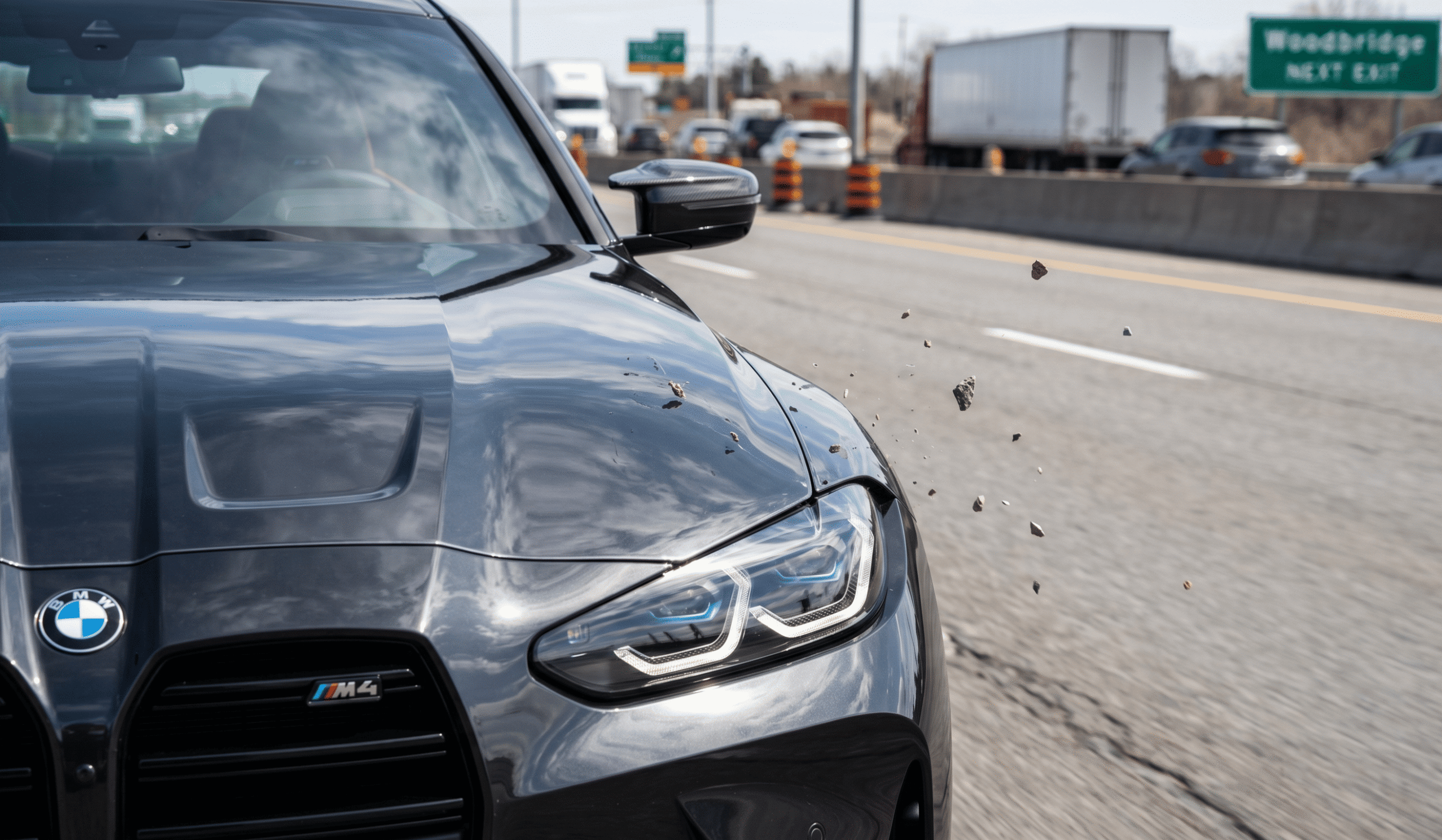
They protect against entirely different threats. PPF physically absorbs stone strikes and abrasion. Ceramic coating chemically resists UV, salt, and contamination. A coating will not stop a rock, and film on the front end does nothing for the roof baking in July sun. On high-value vehicles, the correct answer is frequently both.
The Pattern Behind the Myths
Every myth on this list is a quality problem wearing a product costume. Cheap film yellows, holds dirt at its edges, and fights removal. Rushed installations show seams and trap contamination. The fix is not avoiding PPF. It is asking two questions before booking anywhere: which film brand goes on the car, and how long has the person installing it been doing this work.
Frequently Asked Questions
Does PPF damage factory paint? No. On healthy factory paint, professionally installed quality film protects the finish and removes cleanly at end of life. Problems arise on repainted panels, uncured paint, or with economy films, which is why pre-installation inspection matters.
How long can PPF stay on a car? Quality film has a service life of 5 to 10 years. Leaving film on well past that window makes removal slower and increases the chance of adhesive residue, so plan replacement rather than indefinite wear.
Can PPF be removed at home? It can, but it should not be. Correct removal uses controlled heat and technique, and the cost of professional removal is small compared to the cost of correcting a rushed DIY attempt.
Does PPF void the vehicle’s paint warranty? Quality film from major manufacturers does not damage factory paint, and installation at a professional shop does not void paint warranties in ordinary circumstances. Ask your installer for the film manufacturer’s warranty documentation for your records.
The Detailing World Approach
At Detailing World in Woodbridge, every PPF installation starts with a paint inspection, because film belongs on healthy, decontaminated surfaces and nowhere else. We install premium film with manufacturer-backed warranties, cut to panel-accurate patterns, and we will show you exactly which film goes on your vehicle before work begins.
Ready to Protect Your Vehicle?
Book a consultation at Detailing World in Woodbridge and get answers about your specific paint before you commit to anything.