Ask ten drivers in Woodbridge whether paint protection film is worth the money and you will get ten versions of the same answer: it depends. That answer is both technically correct and completely unhelpful. Whether PPF makes financial sense is not a matter of opinion. It is a matter of where you drive, what you drive, and how long you plan to keep it.
In most parts of the world, PPF is a luxury. On Ontario roads, it is closer to a maintenance item than an upgrade. Here is the case, including the situations where we would tell you to skip it.
What Ontario Roads Actually Cost Your Paint
The damage argument for PPF in Canada rests on three factors that drivers in milder climates simply do not face at the same intensity.
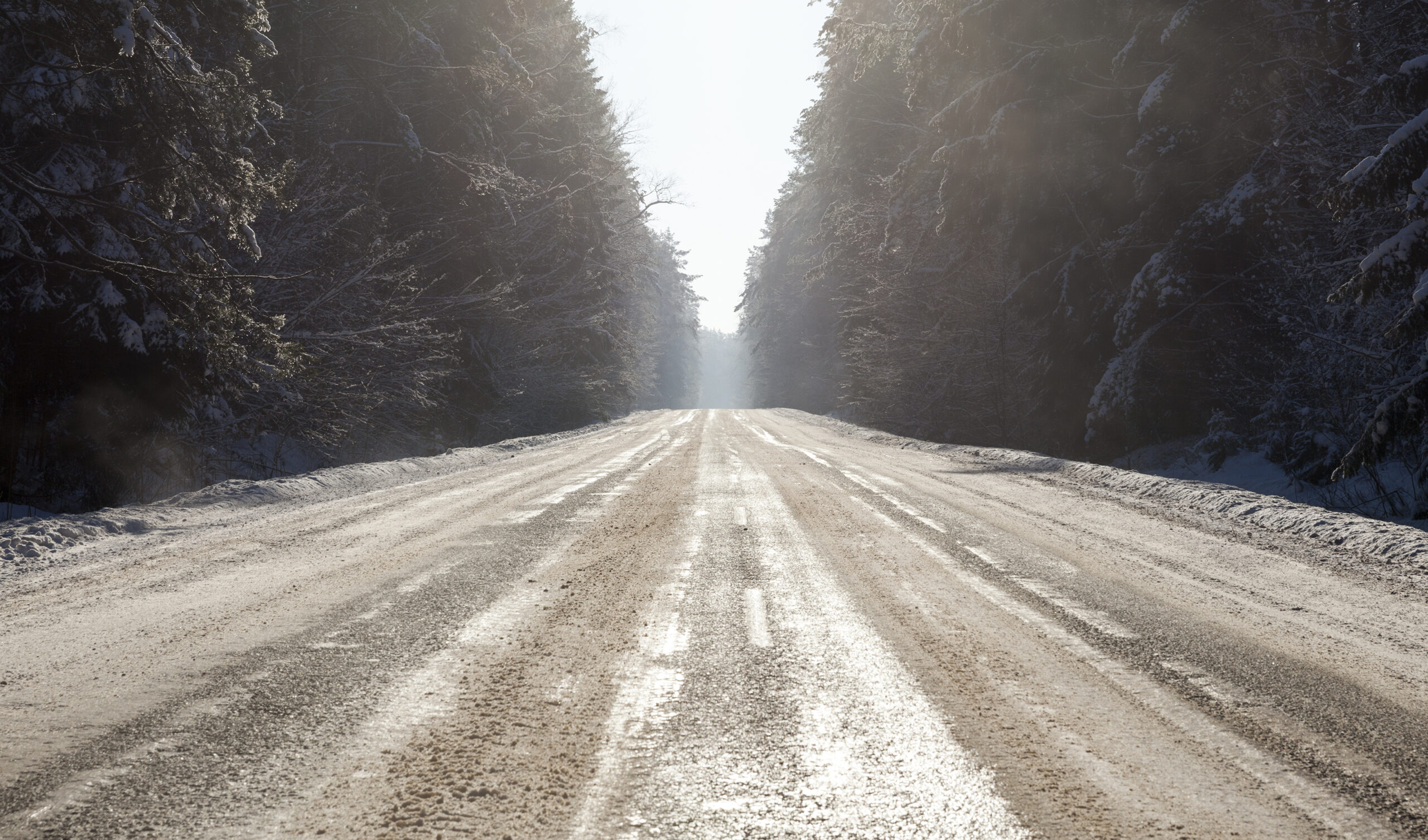
- Road salt and traction sand: From December through March, GTA roads are treated heavily. Salt is chemically aggressive toward clear coat, and traction sand is physically abrasive. Every winter drive is a low-grade sandblasting session for your lower panels, rocker areas, and front bumper.
- Freeze-thaw gravel: Ontario’s freeze-thaw cycles break down road surfaces every winter, which is why construction season and loose gravel arrive together every spring. Highways shed debris at their highest rate exactly when drivers start logging more kilometres.
- 400-series highway exposure: Commuting on the 400, 407, or 401 means sustained time behind trucks at 100-plus km/h. At that speed, a pea-sized stone chips clear coat on contact. The leading edge of your hood collects the evidence.
Each chip is more than a cosmetic mark. It is an opening for salt and moisture to reach bare metal, and in this climate, that is where rust begins. A vehicle can accumulate dozens of these openings in a single winter without the owner noticing until spring light hits the hood at the right angle.
The Actual Math
PPF is a real investment, and pretending otherwise helps nobody. The honest way to evaluate it is against what unprotected damage costs over the same period.
|
Scenario |
Typical cost range |
|
Front-end PPF package (bumper, partial hood, fenders, mirrors) |
One-time investment, lasts 5–10 years |
|
Respraying a bumper after chip and rust damage |
$500–$900 per incident |
|
Repainting a hood |
$800–$1,500 |
|
Diminished resale or lease-return charges for visible front-end damage |
Varies, often exceeds the cost of the film |
A quality front-end package installed once can outlast two or three rounds of paint repair it prevents. For leased vehicles, the calculation is even simpler: excess wear charges at return are assessed on exactly the damage PPF is designed to absorb.
The Pros and Cons, Stated Plainly
Where PPF earns its cost:
- Impact absorption: The film takes the stone chip instead of the paint. No other product in the detailing world does this. Wax, sealants, and ceramic coatings protect against chemicals and UV, not physical strikes.
- Self-healing topcoat: Premium films recover from light scratches and swirl marks with heat exposure, keeping high-impact zones looking new.
- Resale protection: A front end free of chips and touch-up paint reads as a cared-for vehicle to any buyer or lease inspector.
- Longevity: Quality film professionally installed lasts 5 to 10 years, spanning multiple Ontario winters on a single application.
Where PPF is not the answer:
- Older vehicles with existing damage: Film seals the surface as it is. Applying it over chips and oxidation locks the damage in and rarely justifies the cost.
- Short ownership horizons: If you are selling a personally owned vehicle within a year, you will not hold the car long enough to collect the benefit.
- Whole-car coverage on a budget: Full body PPF is the best protection available, but partial coverage on high-impact zones captures most of the real-world benefit at a fraction of the price. Paying for full coverage you do not need is how PPF gets its reputation for being overpriced.
So, Is It Worth It?
For a daily driver logging highway kilometres through GTA winters, on a vehicle you intend to keep or return in good standing, PPF on the front-end impact zones is one of the few detailing products that pays for itself in avoided repair. For a garage-kept weekend car that never sees salt, the case is weaker, and we will tell you that in person too.
Frequently Asked Questions
Does PPF protect against road salt? Directly, yes, on the panels it covers. The film is a physical barrier, so salt and moisture cannot reach the paint or work into existing chips beneath it. Uncovered panels still need regular winter washing.
Is PPF worth it on a lease? Often, yes. Lease-return inspections assess front-end chip damage, and the cost of excess wear charges plus touch-ups frequently approaches the cost of a partial front package.
How long does PPF last in the Canadian climate? Quality film installed by an experienced technician typically lasts 5 to 10 years, including through Ontario winters. Film brand, installation quality, and maintenance determine where in that range a vehicle lands.
Is PPF better than ceramic coating for winter? They solve different problems. PPF stops physical impact, and ceramic coating resists salt, chemicals, and UV across the whole vehicle. Many Woodbridge drivers combine partial PPF with a full ceramic coating for complete coverage.
The Detailing World Approach
At Detailing World in Woodbridge, we start with how and where you actually drive. A commuter on the 400 gets a different recommendation than a weekend vehicle that winters in a garage. Film is cut to panel-accurate patterns and installed with attention to edges and contours, and we will tell you plainly if your vehicle is not a good candidate.
Ready to Protect Your Vehicle?
Book an assessment with Detailing World in Woodbridge and get an honest answer for your specific vehicle before the next construction season does its work.