Paint Protection Film in Woodbridge: Why Spring Is the Time to Get It Done


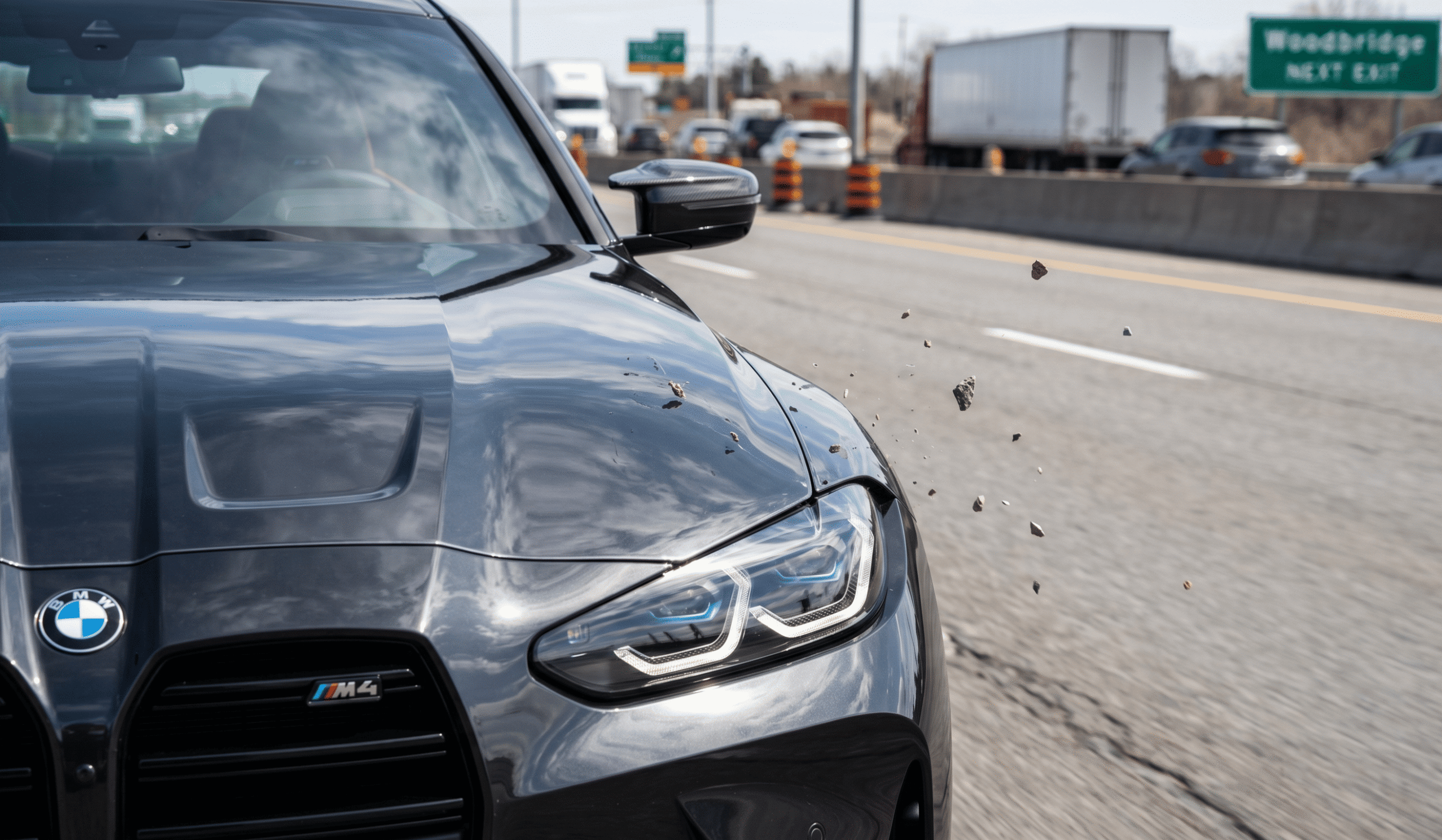
There is a category of vehicle damage that no amount of washing, waxing, or even ceramic coating can fully prevent: physical impact. The stone chip that catches the leading edge of your hood at highway speed, the gravel thrown by a truck on the 400, the slow accumulation of rock strikes across your front bumper that tells your mileage story on the paint before anyone looks at the odometer.

Paint protection film, commonly referred to as PPF, exists for exactly this. Applied this spring, before construction season returns and summer highway driving picks up, it is the most complete physical defence available for the surfaces that take the most damage on Ontario roads.

What Winter Leaves Behind

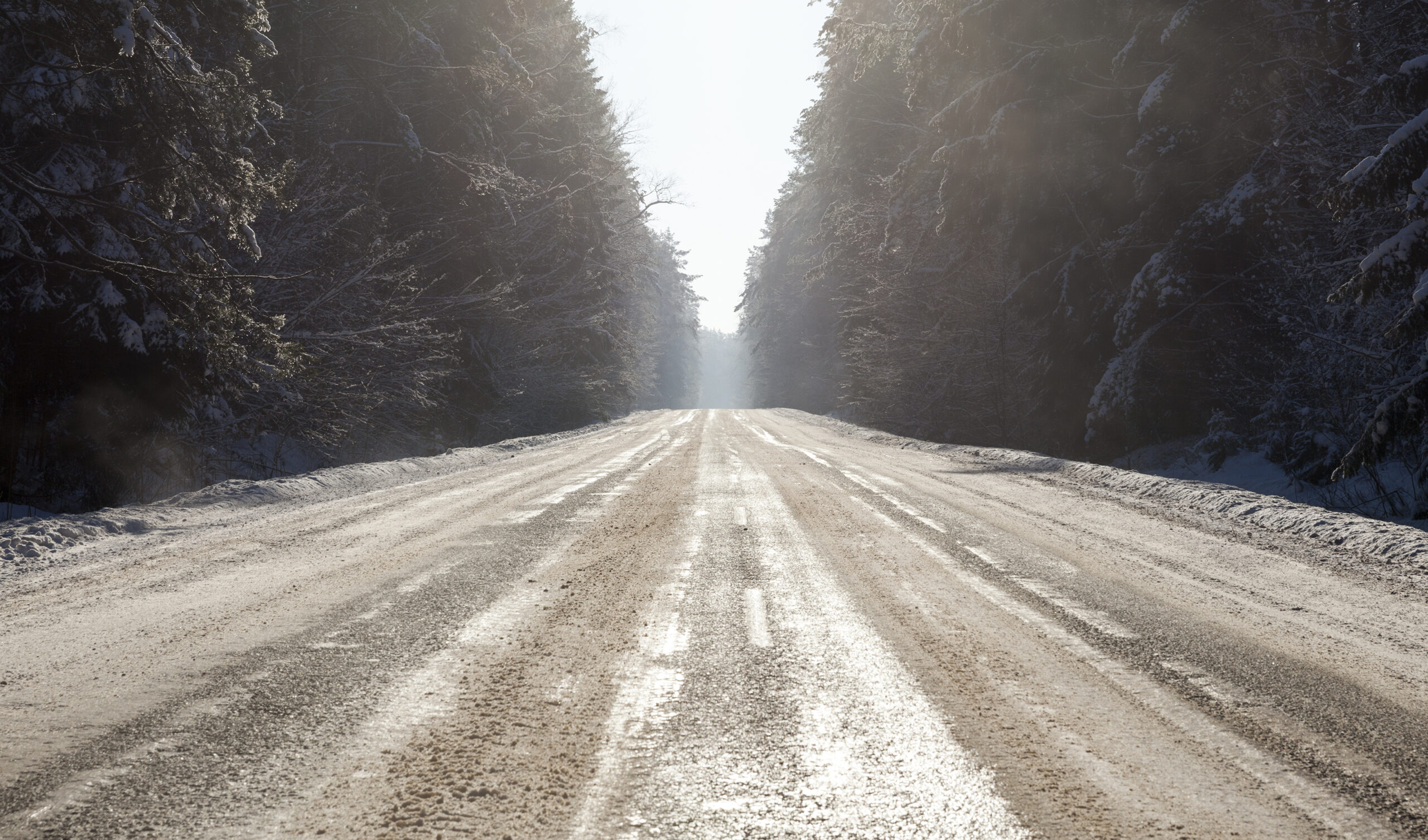
By March in Woodbridge, most vehicles have been through four months of heavy road salt, abrasive traction sand, and near-constant exposure to slush and debris. The impact on paint is cumulative and often invisible until spring light hits the surface at the right angle.

Each stone chip on your front bumper or hood is not just a cosmetic mark. It is an entry point for moisture and salt to reach bare metal, and in an Ontario climate, that is where rust starts.

Spring is when that damage becomes visible and when the conversation about preventing the same thing next winter makes the most practical sense.

How Paint Protection Film Works

PPF is a thermoplastic urethane film applied directly to the paint surface. Here is what it does at a practical level:

  • Impact absorption: The film is engineered to absorb and distribute the energy from stone strikes, meaning the PPF takes the chip rather than the paint beneath it.
  • Self-healing surface: High-quality PPF products feature a topcoat that recovers from light scratches and fine swirl marks with exposure to heat, either sunlight or warm water.
  • Optical clarity: Properly installed PPF is virtually invisible on the paint surface. A quality installation is indistinguishable from bare paint in normal viewing conditions.
  • UV resistance: Premium PPF includes UV inhibitors that prevent both the film and the paint beneath from yellowing or fading under prolonged sun exposure.
  • Hydrophobic properties: Modern PPF topcoats repel water and contaminants, making maintenance easier and reducing the mechanical contact that causes micro-scratches over time.

Where PPF Is Typically Applied

Most drivers choose coverage based on the areas that take the highest volume of road debris. A full vehicle wrap is available, but partial coverage packages targeting the highest-risk zones are the most common approach:

Zone

Why It’s High Risk

Coverage Option

Full hood

Leads the vehicle, catches highway debris at speed

Full or partial

Front bumper

Lowest panel, highest debris volume

Standard in most packages

Front fenders

Rock strikes from wheel splash

Standard in most packages

Side mirrors

Exposed at speed, hard to avoid damage

Standard in most packages

Roof leading edge

Catches debris over the windshield

Common add-on

Door edge guards

Parking lot contact damage

Common add-on

Rear bumper

Scratch-prone loading and parking

Optional

Why Spring Installation Makes Strategic Sense

The timing of PPF installation matters more than most drivers realise. Here is what makes spring the right window for Woodbridge vehicles specifically:

  • Construction season starts in April: GTA roads that have been degraded by freeze-thaw cycles shed gravel and debris at a higher rate in early spring than almost any other time of year. Installing before that season begins means you are protected when the risk is highest.
  • Ideal application temperature: PPF requires careful temperature management during installation. March and April temperatures in Woodbridge sit in a range that allows the film to conform cleanly to panel contours without the expansion issues that can arise in peak summer heat or the adhesion challenges of cold weather.
  • Summer highway driving: Longer days mean more driving, including high-speed highway exposure. A vehicle that gets PPF installed in April enters that season protected rather than accumulating another layer of stone chips before getting around to booking.
  • Booking availability: Quality PPF installers fill up in spring. Getting on the schedule in March or early April means you choose your timing rather than fitting into whatever slot remains in May.

PPF vs. Ceramic Coating: Two Different Jobs

Factor

Paint Protection Film

Ceramic Coating

Protects against

Stone chips, rock strikes, physical abrasion

UV, chemical contamination, water spots

How it works

Physical barrier absorbs impact

Chemical bond adds hardness and repellency

Visibility

Optically clear when installed correctly

Invisible, bonds to paint surface

Self-healing

Yes (on premium products)

No

Lifespan

5–10 years on quality film

3–5 years

Best used on

High-impact zones: hood, bumper, fenders

Full vehicle surface

PPF and Ceramic Coating: Better Together

Many Woodbridge vehicle owners choose to combine PPF and ceramic coating in a single spring appointment, and for good reason. The two products address different threats and work better in combination than either does alone.

  • PPF handles physical impact. Ceramic coating handles chemical and UV threats.
  • Ceramic coating applied over PPF adds hydrophobic properties to the film surface, making maintenance easier and extending the film’s useful life.
  • Combined in one appointment, surface preparation applies to both products at once, reducing total cost and time compared to treating them as separate projects.

If your vehicle is worth protecting, the combination of PPF on high-impact zones and ceramic coating across the full surface is the most complete protection available in the market today.

Frequently Asked Questions

How long does paint protection film last?

Quality PPF installed by an experienced technician typically lasts 5 to 10 years. Lifespan depends on the film brand, installation quality, and how the vehicle is maintained.

Will PPF yellow over time?

Lower-quality films can yellow with UV exposure. Premium PPF products used at reputable shops include UV inhibitors specifically to prevent this. Ask your installer about the film brand before committing.

Is PPF removal difficult?

When installed correctly, PPF removes cleanly without damaging the paint beneath. Improper installation or very old film can sometimes complicate removal, which is one reason professional installation matters.

Do I still need to wash my car if it has PPF?

Yes. PPF protects against impact and reduces contamination bonding, but regular washing keeps the film surface in good condition and allows the self-healing topcoat to perform optimally.

The Detailing World Approach

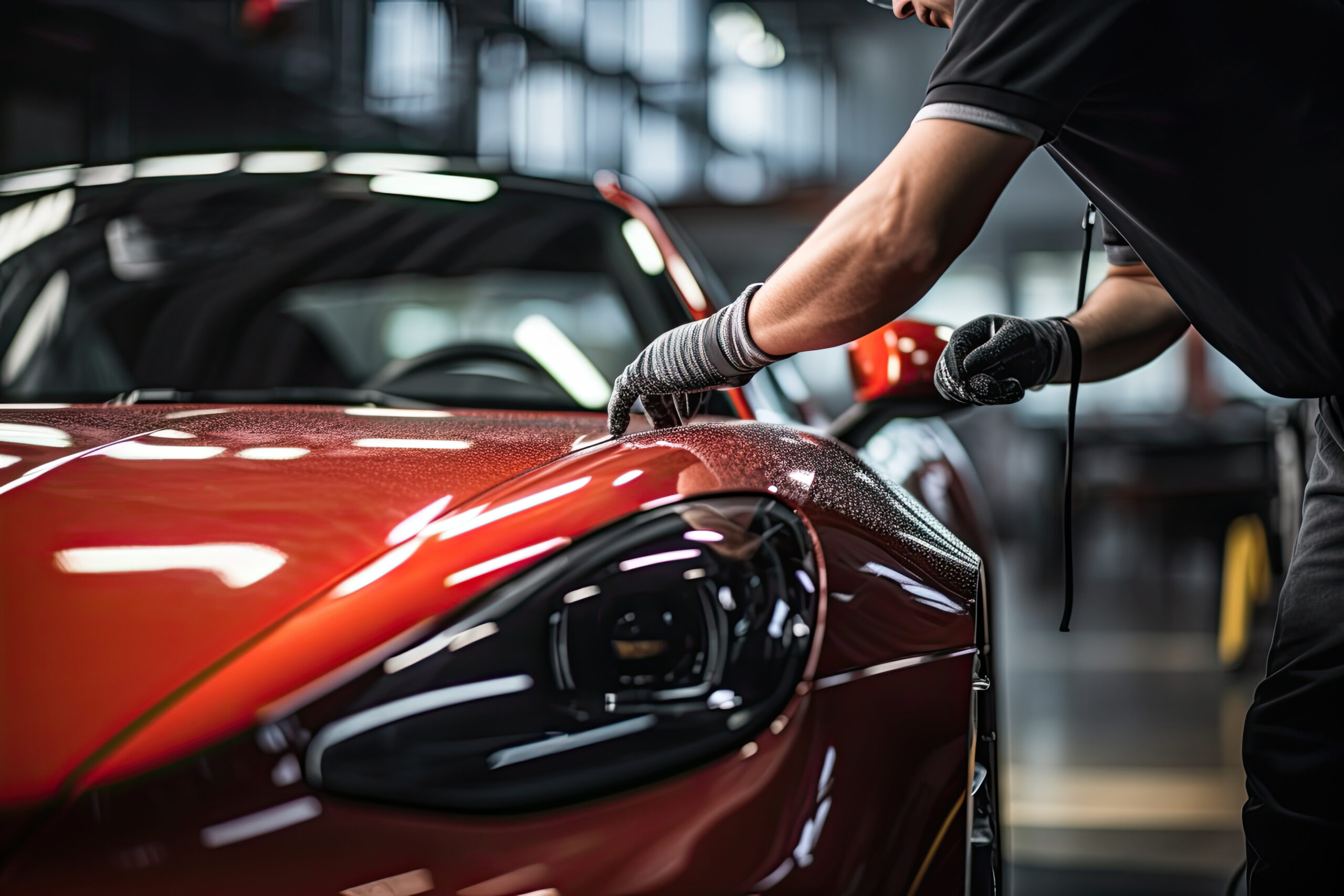
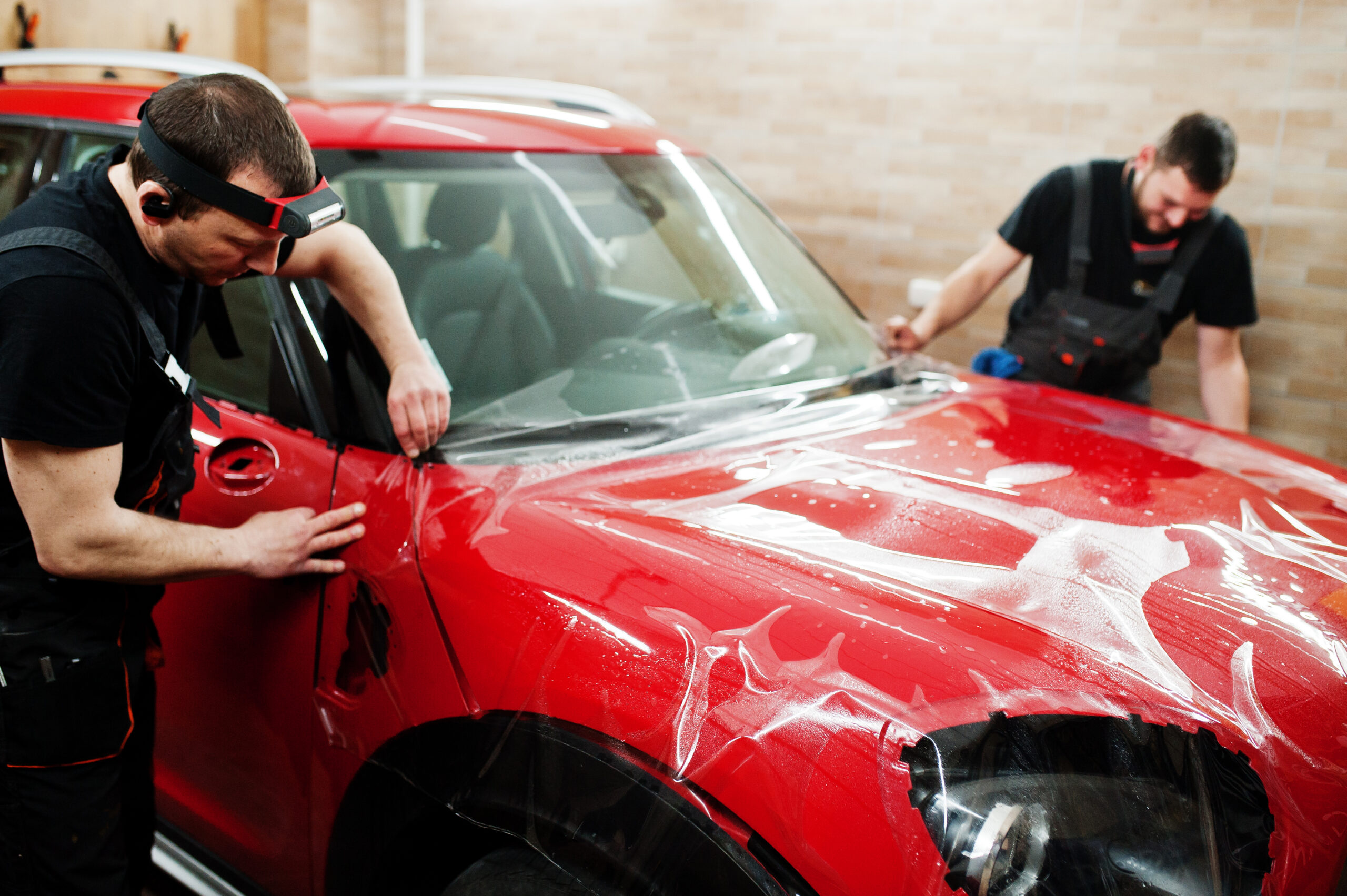
At Detailing World in Woodbridge, PPF installation begins with a full decontamination wash and surface inspection. Film is cut to panel-accurate patterns and applied with attention to edges and contours, the areas where less careful installations tend to lift or bubble first.

Your vehicle arrives carrying a winter’s worth of accumulated damage. It leaves ready to handle the next several years of Ontario roads.

Ready to Protect Your Vehicle?

Book your spring appointment with Detailing World in Woodbridge before the schedule fills up.

Ceramic Coating vs. Wax: What Woodbridge Car Owners Need to Know

Walk into any automotive store this spring and you will find rows of waxes, sealants, and spray coatings promising to protect your vehicle and restore its shine. Then there is ceramic coating, sitting at a different price point entirely and requiring professional application. For drivers in Woodbridge and the GTA, the question surfaces often this time of year: is ceramic coating actually worth it compared to just waxing?

The honest answer is that these are not really competing products. They occupy different categories of protection. Understanding what each one does, and does not do, makes the choice clear.

At a Glance: How They Compare

Factor

Wax

Ceramic Coating

How it bonds

Sits on top of clear coat

Bonds chemically to clear coat

Durability

4–12 weeks

3–5+ years

UV protection

Light

Strong

Hydrophobic effect

Moderate

High, water sheets off

Scratch resistance

Minimal

Measurable (9H hardness)

Chemical resistance

Low

High

Reapplication needed

Every 2-3 months

Rarely, annual inspection coat

Application

DIY-friendly

Professional recommended

Cost

Low upfront

Higher upfront, lower over time

What Wax Actually Does Well

Traditional wax, whether natural carnauba or synthetic polymer, does a few things genuinely well. It adds gloss and depth to the paint surface. It repels light water contact. It provides short-term protection against UV exposure and surface-level contamination. On a freshly washed car in March sunlight, the results look excellent.

For drivers who enjoy the ritual of waxing their own vehicles, it is also a perfectly reasonable maintenance habit. Done consistently, it keeps the surface looking sharp and provides a basic sacrificial layer between the paint and the environment.

Wax is not a bad product. What it cannot do is protect comprehensively or hold up through a full Canadian season without reapplication.

Where Wax Falls Short

  • Durability ceiling: A quality wax applied in March will largely be gone by June, worn down by rain, UV exposure, car washes, and temperature swings. Reapplication every two to three months is required to maintain any real protection.
  • Surface adhesion: Wax does not chemically bond to the paint. It sits on top. A chemical contaminant like bird droppings or tree sap that dwells on a waxed surface long enough will still reach the clear coat beneath.
  • No hardness: Wax adds zero scratch or abrasion resistance. Fine swirl marks from washing accumulate through the wax layer the same way they accumulate on bare paint.
  • Seasonal math: Three to four reapplications per year, with professional detailing between applications, often costs more over five years than a single ceramic coating would have.

Wax protects what it can for as long as it lasts. Ceramic coating protects comprehensively for years. They are solving different problems at different levels.

What Ceramic Coating Actually Delivers

A professional ceramic coating bonds at a molecular level to the vehicle’s clear coat, becoming part of the surface rather than sitting on top of it. The differences in practice are significant.

  • Water and contaminant behaviour: The hydrophobic effect causes water to sheet off on contact, taking surface grime with it. The vehicle stays cleaner between washes and requires less aggressive washing, which is one of the primary ways clear coats accumulate micro-scratches over time.
  • Chemical resistance: Coated surfaces are substantially more resistant to the kind of contamination, acid rain, industrial fallout, road tar, tree sap, that compromises unprotected paint over a GTA summer.
  • Hardness: A 9H-rated coating adds measurable surface hardness. Light swirl marks and minor abrasion that would mark an unprotected surface are deflected or minimized.
  • Longevity: Applied once in spring, a quality coating holds through summer UV, fall debris, and at minimum one full Ontario winter without reapplication. Most last considerably longer.

The Spring Timing Argument

For Woodbridge drivers, applying a ceramic coating in March or April means entering the most damaging seasons, peak summer UV and the next winter’s road salt, with the paint already protected. Wax applied now will be largely gone before the first serious heat wave passes.

Spring is also when your vehicle’s surface has been through its most demanding period of the year. Professional ceramic coating prep includes full decontamination of all the winter residue still bonded to the paint, something a standard wax application does not address.

Which One Is Right for You?

Your situation

Recommended approach

You enjoy waxing and do it consistently

Wax is a reasonable maintenance habit

You want protection that lasts through winter

Ceramic coating

You have a daily driver and limited time for upkeep

Ceramic coating

You drive a luxury or high-value vehicle

Ceramic coating, consider pairing with PPF

You want to protect a lease before return

Ceramic coating to preserve the finish

You just want a quick spring refresh

Wax, but keep your expectations realistic on durability

At Detailing World in Woodbridge, we work through both options honestly depending on your vehicle, your goals, and your budget. What we will tell you is what each product actually delivers, and where the limits are.

Frequently Asked Questions

Can I wax over a ceramic coating?

You can, but it is generally unnecessary and adds no meaningful protection. A properly maintained ceramic coating does not need wax on top of it.

How much does ceramic coating cost compared to regular waxing?

Professional ceramic coating in the Woodbridge area typically runs higher upfront than a wax detail. Over three to five years with no reapplication, it is usually the more cost-efficient option for drivers who care about paint quality.

Will ceramic coating fix existing swirl marks or scratches?

Ceramic coating seals the surface as it is, so paint correction needs to happen before the coating goes on. At Detailing World, we assess and correct the paint first if needed.

Ready to Protect Your Vehicle?

Book your spring appointment with Detailing World in Woodbridge before the schedule fills up.

Why Spring Is the Best Time to Get a Ceramic Coating in Woodbridge


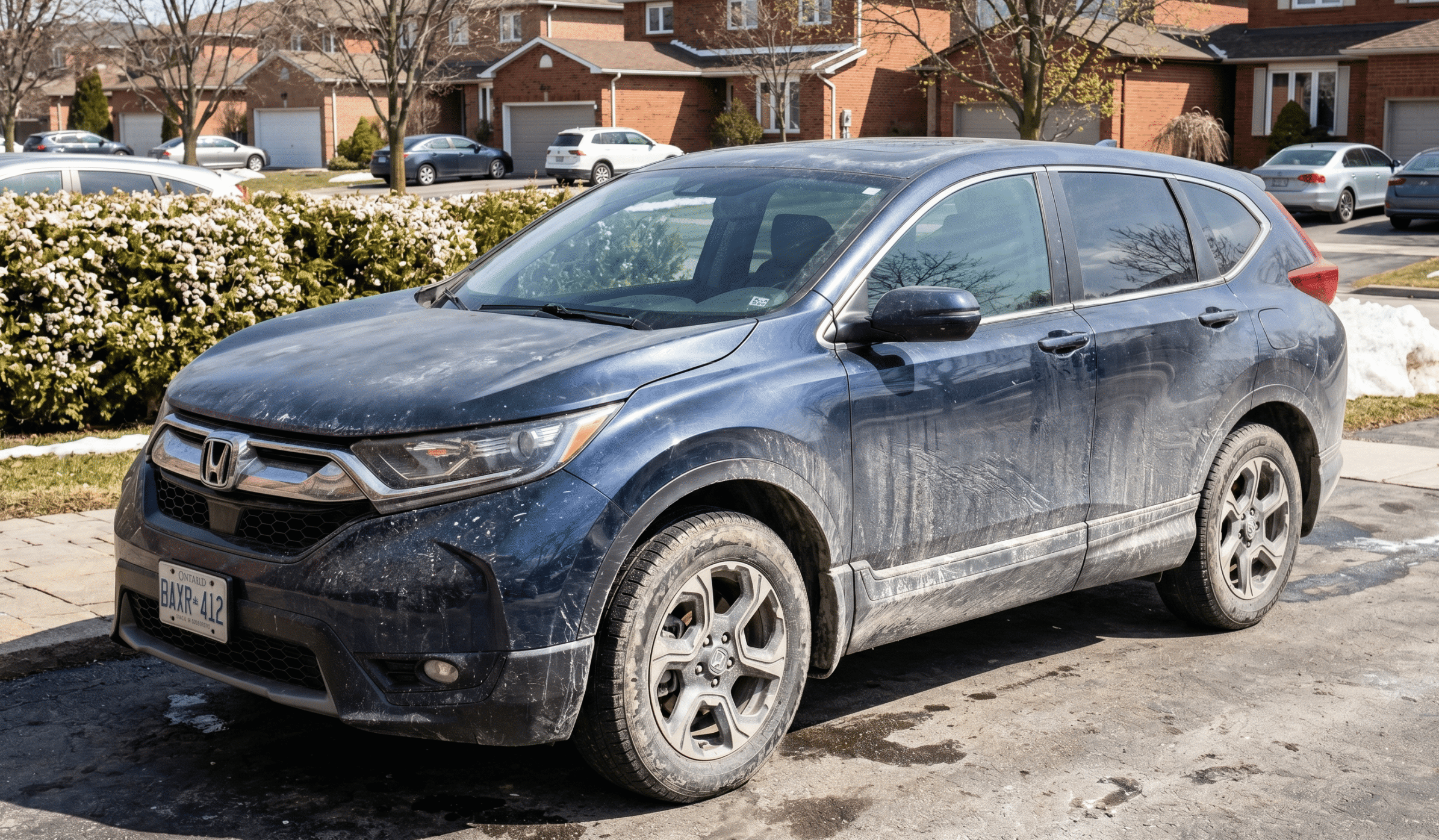
If your car looks anything like the one above, you already know this. Every spring in Woodbridge and the Greater Toronto Area, the same scene plays out. The snow retreats, the sun finally holds, and drivers take a long, honest look at their vehicles after months of salt, slush, and freezing temperatures. What they find is rarely encouraging.

What they typically find is faded clear coat, white residue baked into lower panels, and fine scratches that accumulated quietly under winter grime. The paint has taken a beating, and spring is the moment it becomes impossible to ignore.

It is also the single best window of the year to apply a ceramic coating. Here is why.

What a Canadian Winter Actually Does to Your Paint

Toronto and Woodbridge roads are salted heavily from December through March. Salt is effective at keeping roads safe. It is also chemically aggressive toward automotive finishes. Here is what happens at the surface level over a typical GTA winter:

  • Salt pulls moisture from the air and holds it against your vehicle’s surface, working into microscopic chips, panel seams, and door edges.
  • Clear coat degrades gradually under repeated freeze-thaw cycles, losing flexibility and becoming more prone to chipping.
  • Iron fallout from brake dust and road debris bonds to paint and begins oxidizing, leaving orange micro-spots that are invisible until spring light hits them.
  • Standard washes remove surface salt but miss residue trapped in wheel wells, undercarriage, and door sills, where it keeps working on bare metal long after the last snowfall.

“By March, most Woodbridge vehicles have sustained paint damage they are not yet aware of. Spring is not just cleaning season. It is the diagnostic window.”

Why Spring Is the Optimal Coating Window

Ceramic coating bonds chemically to your vehicle’s clear coat. That process requires specific conditions to work properly. Spring in the GTA delivers them.

Condition Why It Matters GTA Spring (Mar–Apr)
Temperature Too cold slows curing; too hot causes uneven flash-off 5-12°C, ideal range
Humidity High humidity affects adhesion and cure clarity Moderate, manageable
Surface prep Paint must be fully decontaminated before coating Post-winter: clean slate
UV exposure post-coat Coating needs time to cure before heavy sun Summer still weeks away

Applying a coating in spring also means your vehicle enters the two most damaging seasons, peak summer UV and the following winter’s road salt, already fully protected. Waiting until summer means months of UV exposure on uncoated paint before you get around to booking.

What You Get With a Professional Ceramic Coating

A professional-grade ceramic coating is not a glorified wax. It is a different category of protection entirely. Here is what it delivers that conventional products cannot:

  • Water beads and sheets off rather than sitting and evaporating into spots. Contaminants ride off with it.Hydrophobic surface:
  • Bird droppings, tree sap, and road tar sit on top of the coating rather than bonding to the paint. They are far easier to remove without damaging the surface beneath.Chemical resistance:
  • The Toronto summer sun breaks down clear coat over time, causing the chalky, faded look that defines high-mileage vehicles. A quality coating absorbs and deflects UV energy before it reaches the paint.UV protection:
  • A 9H-rated coating adds measurable hardness to the surface, reducing the fine swirl marks and light scratches that accumulate from routine washing.Scratch resistance:
  • A single professional application typically lasts three to five years, compared to wax that washes away within weeks.Long-term cost efficiency:

The Spring Booking Reality

Quality ceramic coating is not a walk-in service. The prep work alone, decontamination wash, paint correction if needed, surface inspection, takes time. Shops that do this properly fill up fast once spring arrives.

If you are planning to coat your vehicle before summer, late March to late April is the window. After that, you are working around other people’s schedules rather than your own.

Frequently Asked Questions

How long does ceramic coating last?
A professionally applied coating from a reputable shop typically lasts three to five years with basic maintenance, including regular washing and an annual inspection coat.

Does my car need paint correction before coating?
If your paint has visible swirl marks, light scratches, or oxidation, yes. Applying a coating over imperfections locks them in permanently. At Detailing World, we inspect and correct the surface before coating goes on.

Can I apply ceramic coating myself?
Consumer-grade DIY coatings exist, but they offer less durability and hardness than professional products. The surface preparation process, done incorrectly, can also leave contamination sealed beneath the coating.

Is spring the only good time to coat?
No, but it is the best time for Woodbridge drivers. The temperature range is ideal for curing, the timing positions your vehicle ahead of summer UV damage, and the post-winter decontamination makes surface prep more thorough.

The Detailing World Process

At Detailing World in Woodbridge, ceramic coating begins with a full decontamination wash to remove embedded road fallout, iron deposits, and winter contamination. Paint correction follows if needed. Only once the surface is truly clean and refined does the coating go on.

The result is a finish that performs better than factory standard and holds that standard through sun, rain, road salt, and whatever a Toronto winter decides to bring next.

Ready to Protect Your Vehicle?
Book your spring appointment with Detailing World in Woodbridge before the schedule fills up.